

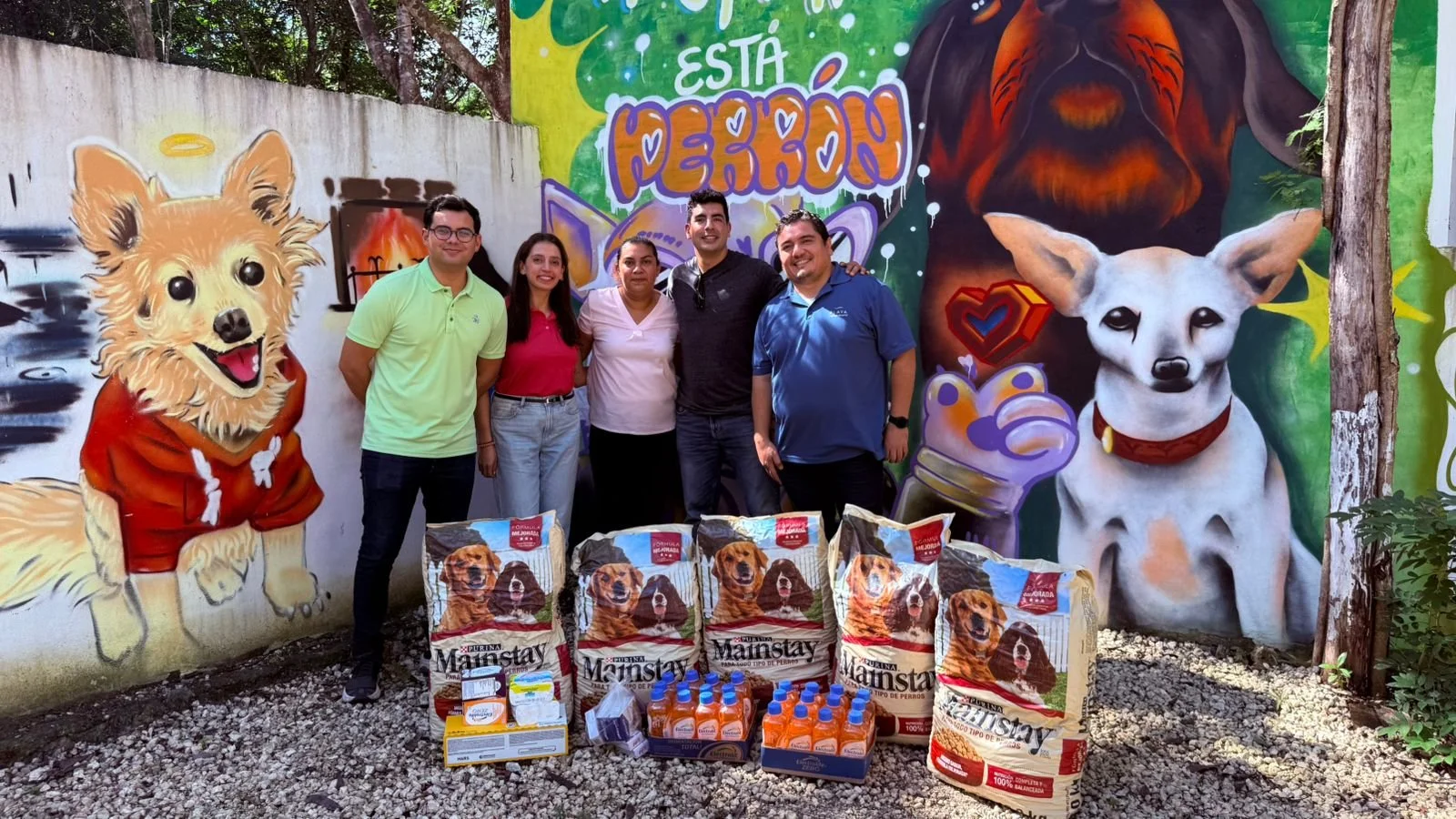
Playa Hotels & Resorts Team
Exemplary destinations are not defined only by beautiful landscapes, high-end hotels, or memorable attractions. They are defined by the standards a place sets for how it treats life—human and non-human—and by how consistently those standards are protected as tourism grows. In that sense, the most credible starting point for destination excellence is simple and visible: becoming a cruelty-free destination, where stray dogs and cats and other animals are treated humanely, and where structured programs for assistance, adoption, veterinary care, vaccination, and sterilization are not occasional charity, but a permanent part of destination governance.
This is not a “soft” issue. It is operational, reputational, and ethical. The presence of unmanaged stray populations affects visitor experience and safety, public health, community well-being, and the destination’s international image. Conversely, destinations that actively protect animal welfare demonstrate the kind of leadership that travelers, investors, and partners increasingly expect clear policies, strong local alliances, transparent performance metrics, and a genuine commitment to shared value.
Why Cruelty-Free Destinations Matter
A cruelty-free approach to stray animals sits at the intersection of ethics, health, and destination competitiveness:
Ethical leadership and social license to operate: Tourism depends on community acceptance. When residents perceive that tourism growth increases problems—abandoned animals, suffering, aggressive interactions, or ineffective municipal responses support for tourism erodes. Humane management restores trust and dignity.
Visitor safety and experience: Incidents involving bites, aggressive behavior, or distressing scenes of animal suffering can quickly damage a brand and a destination’s appeal. Humane prevention is more effective than reactive crisis management.
Public health and hygiene: Sterilization and vaccination programs reduce population growth, disease risk, and pressure on local services.
Reputation and market positioning: Cruelty-free destinations stand out as responsible, modern, and aligned with global expectations around sustainability and wellbeing.
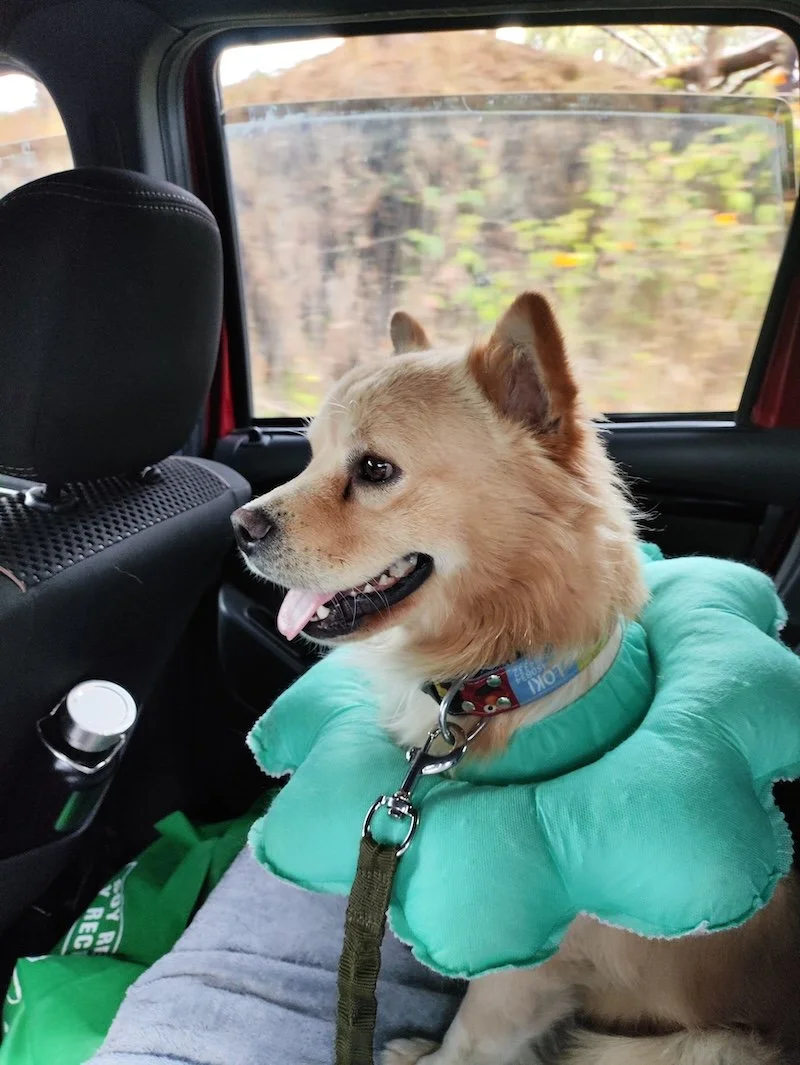
Rescued dog in Dominican Republic
This is precisely why leading hotel sustainability systems increasingly require structured responses to stray animals, including formal procedures and partnerships that connect animals found on or around properties with sterilization, vaccination, veterinary care, and adoption pathways, as well as mechanisms for guest and staff support.
The Playa Cares Approach: The Tourism Industry’s Responsibility: From “Do No Harm” to “Build Capability”
Tourism is not a passive actor in a destination—it is one of the most powerful economic forces shaping local priorities. Hotels, tour operators, attractions, transport providers, and destination organizations influence purchasing decisions, employment practices, public messaging, and stakeholder coordination. With that influence comes responsibility.
A credible cruelty-free destination strategy requires tourism companies to move beyond sporadic donations and adopt a management approach that includes:
Formal destination partnerships Tourism businesses should establish long-term alliances with competent local organizations (animal shelters, veterinarians, NGOs, municipal programs) to ensure consistent capacity for sterilization, vaccination, treatment, and adoption. Where local capacity is weak, tourism must have an active role funding clinics, supporting training, and coordinating volunteers.
Clear procedures for incidents and sightings: Properties and operators must have a documented protocol to address stray animals found on or around tourism infrastructure: who to call, how to secure humane handling, how to avoid harmful practices, and how to document outcomes. This reduces risk and ensures consistency across shifts and locations.
Financing mechanisms that scale Exemplary destinations do not rely only on municipal budgets or NGOs donations. Tourism can create scalable funding streams through opt-in guest contributions, sponsored events, corporate matching, and partner campaigns—ensuring at least one robust program in each destination can be partially or fully financed through stakeholder support.
Staff training and guest communication: Humane management is operational: security, guest services, recreation teams, and concierge desks must know what to do and what not to do. Guests should receive clear guidance (e.g., avoid feeding animals without an approved program, how to report an injured animal, how to support adoption responsibly).
During 2025 we worked through 3 different partnerships in Mexico, Dominican Republic and Jamaica including the elements mentioned before, to create cruelty-free destinations and although we know that the road is long and this is just the beginning, we took the first steps to make it true through the following actions:
Creation of a Business Model and SWOT analysis for each organization
Investment in Infrastructure and Operational Equipment
Sponsorship of Spay and Neuter campaigns
Creation of Communications and Marketing Material for each organization
Donation of Food, Vaccines, Medical Supplies and cleaning materials
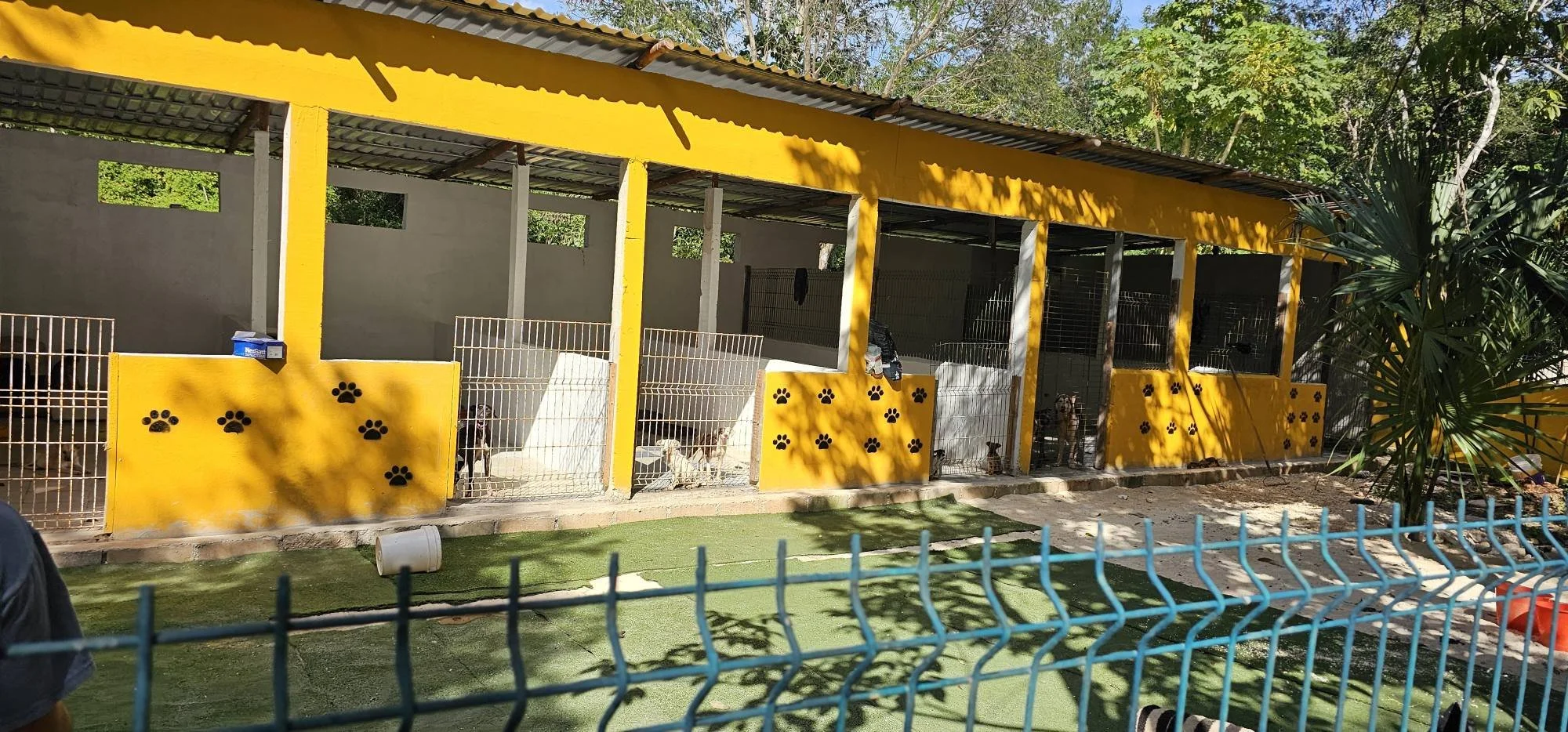
Nursing Pavilion in Cachorrilandia, Cancun
Our actions directly lead to:
The Creation of a nursing pavilion for more than 300 animals in Cancún, México
Repairment of the Potable Water Collection and storage system for MBAH Shelter in Jamaica
Sponsorship of Spay and Neuter sessions (64 animals) and donation of Food, Vaccines and Cleaning materials in Dominican Republic.
Total amount of investment in our Cruelty Free Initiatives: $40,000USD and a total of 250 specialized volunteer hours from our Sustainability Team.
Our Partners:
In Mexico Cachorrilandia https://www.facebook.com/cachorrilandia/?locale=es_LA
In Dominican Republic: Dogs & Cats of the Dominican Republic https://www.dcdr.org/ AND Rescatame Punta Cana https://www.facebook.com/Rescatamepuntacana/
In Jamaica: Montego Bay Animal Haven: https://www.montegobayanimalhaven.com/
Please see our video: It Costs Nothing to be Kind - Stories of Sustainability - Playa Cares
The Bottom Line of our approach:
Exemplary destinations are built through deliberate choices. Tourism can either amplify unmanaged social and environmental challenges—or it can become the engine that upgrades destination governance, infrastructure, and ethics. A cruelty-free destination is the clearest signal that a place is serious about responsible tourism: it protects vulnerable animals, supports local organizations, improves safety and public health, and strengthens the destination’s global reputation.
If the tourism industry wants to be credible as a sustainability leader, it must start where values and operations meet in the street: how we treat the dogs and cats that share our communities. From there, the path to exemplary destination performance becomes not only possible, but inevitable.
A key aspect of our Playa Cares approach is to make each one of these initiatives as strong as we can, and this means that we want to expand our partnerships across the Tourism Industry and all members of the communities in each one of our destinations, so we will be using our position to create new opportunities of collaboration and to create local capacity among our partners to maximize our impacts.
Contact:
DAVID A. ORTEGÓN-MARTÍNEZ
Sustainability Director
Playa Hotels & Resorts
T: +52 998.881.5791 M: +52 551.759.7486 E: david.ortegon@hyatt.com
Marina Town Center, Av. Bonampak,
Puerto Cancun, Cancun, Benito Juarez, Q. Roo, C.P.77500
Mexico