

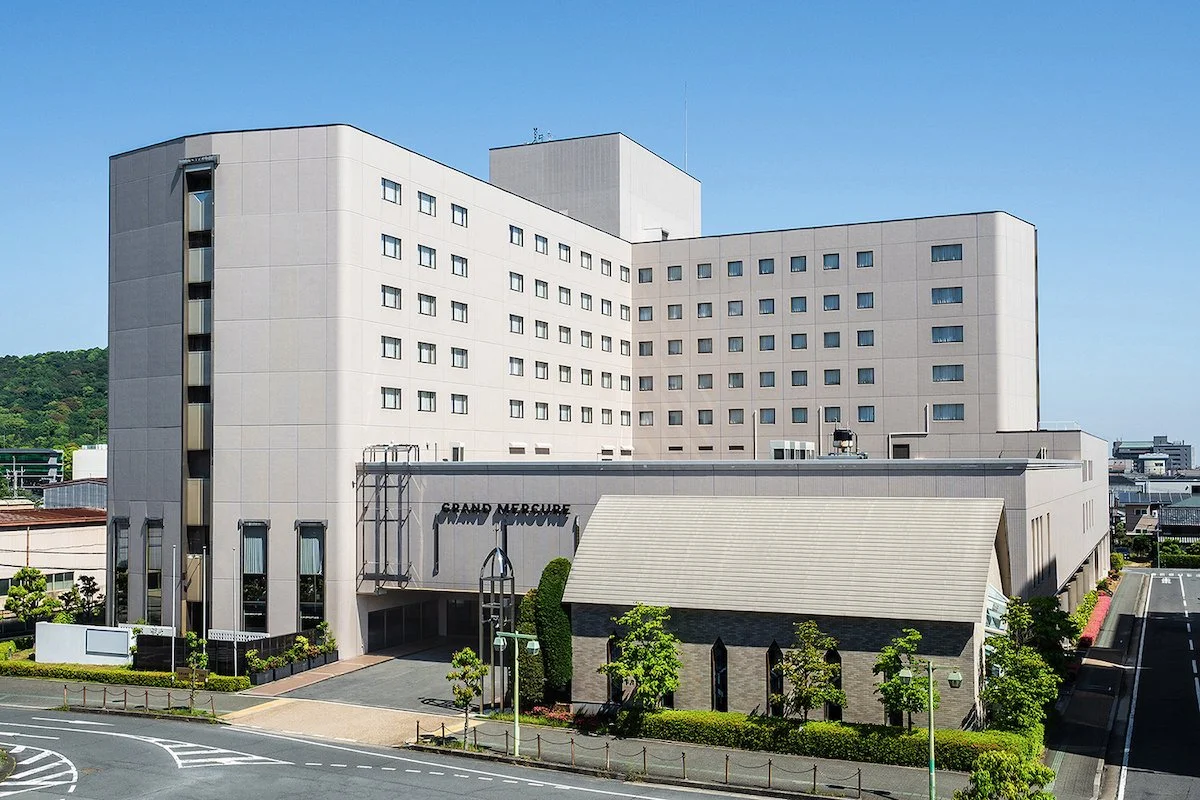
Green Globe Certification has awarded Grand Mercure Nara Kashihara its inaugural certification. The hotel is located in Kashihara City in Nara Prefecture, an area that conveys a rich history and culture, acting as a gateway to the Asuka and Fujiwara areas also regarded as the birthplace of Japan. The all-inclusive hotel offers a step back into the past with its own hot spring public baths, delectable dishes with origins dating back through the centuries, and a range of bespoke programs and activities where guests leave feeling they have experienced the best of Japan.
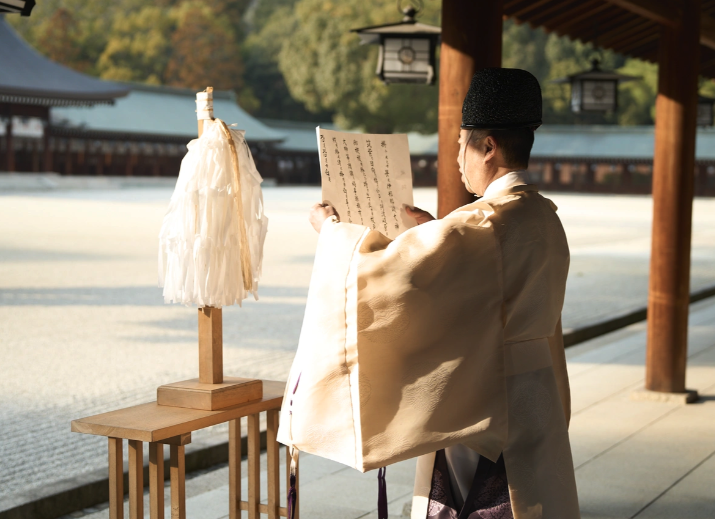
Passing on local culture to the next generation and sharing it with the world is at the core of Grand Mercure Nara Kashihara’s sustainability initiatives. The hotel team endeavor to deliver unique cultural and culinary programs in line with this vision.
Experiential Tourism Programs
Grand Mercure Nara Kashihara proudly promotes experiential tourism programs designed to allow guests to truly feel the extensive history and culture of Nara. These programs offers special, immersive experiences that deeply connect guests with local people and traditions. Activities range from tranquil visits to a Shinto shrine accompanied by a local priest to copying Buddhist Sutra texts, to traditional artisanal crafts like woodworking and sake brewing, to creating handmade items using traditional materials such as beautiful handmade washi paper and even tatami mats - a woven Japanese flooring material. Guests are welcomed at various venues and shops where they can explore Japanese culture firsthand and observe intricate time honored methods.
Nara’s History Experienced Through Food
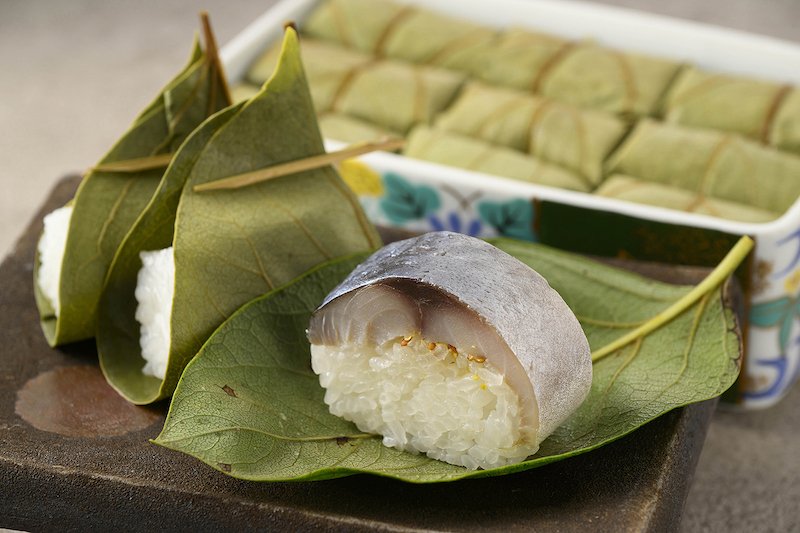
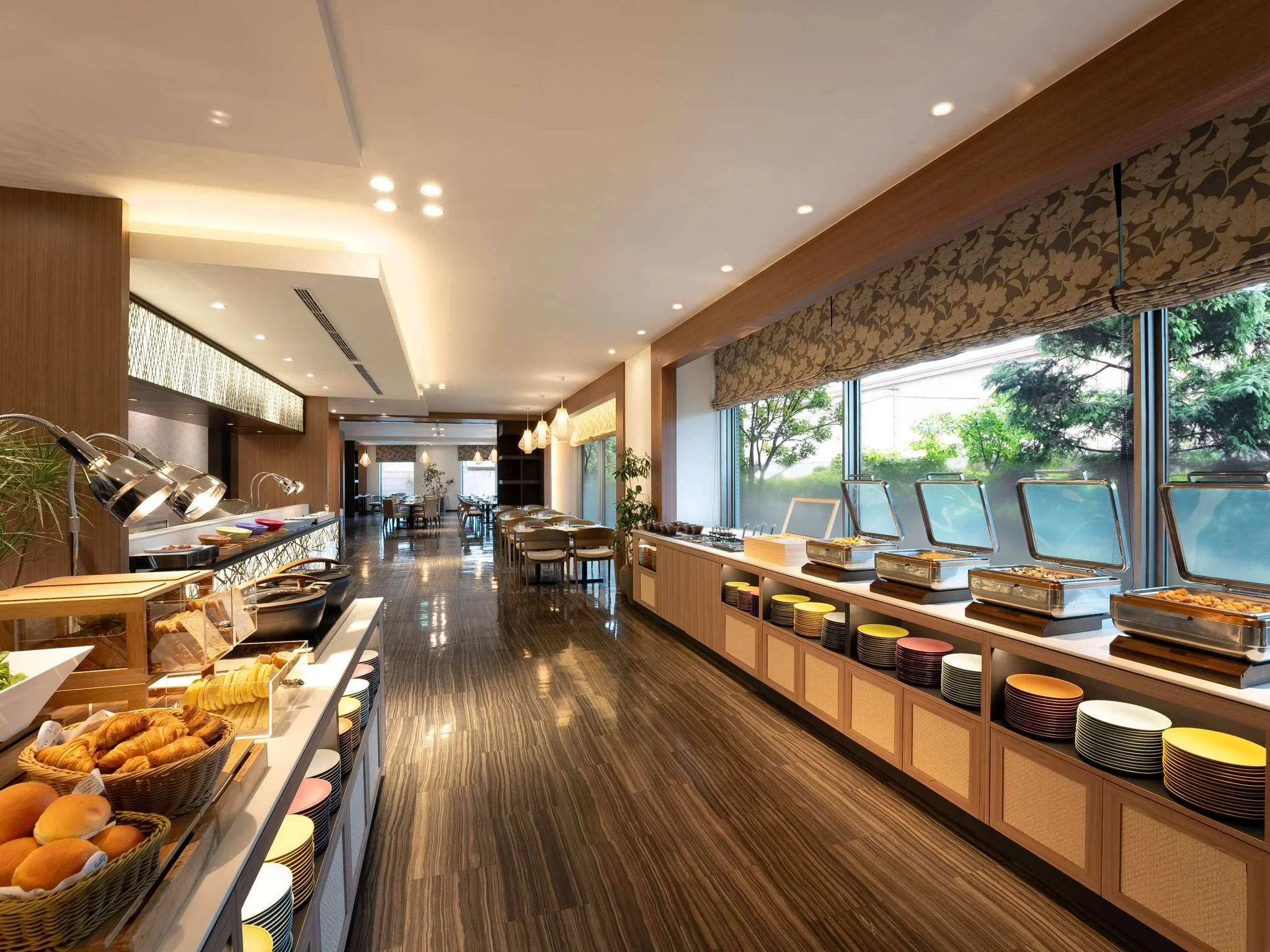
Guests are presented with a sustainable culinary journey that engages all five senses while savoring authentic tastes shaped by the history and climate of the ancient capital, Nara. The Executive Chef and culinary team at Le Sensoriel have invested significant effort in researching, interpreting and presenting the region’s culinary heritage, enabling guests to experience the Nara of a bygone era through food. In parallel to using local seasonal ingredients for a wide array of regional dishes at buffets, cuisine is transformed into a medium for cultural storytelling and the preservation of local heritage.
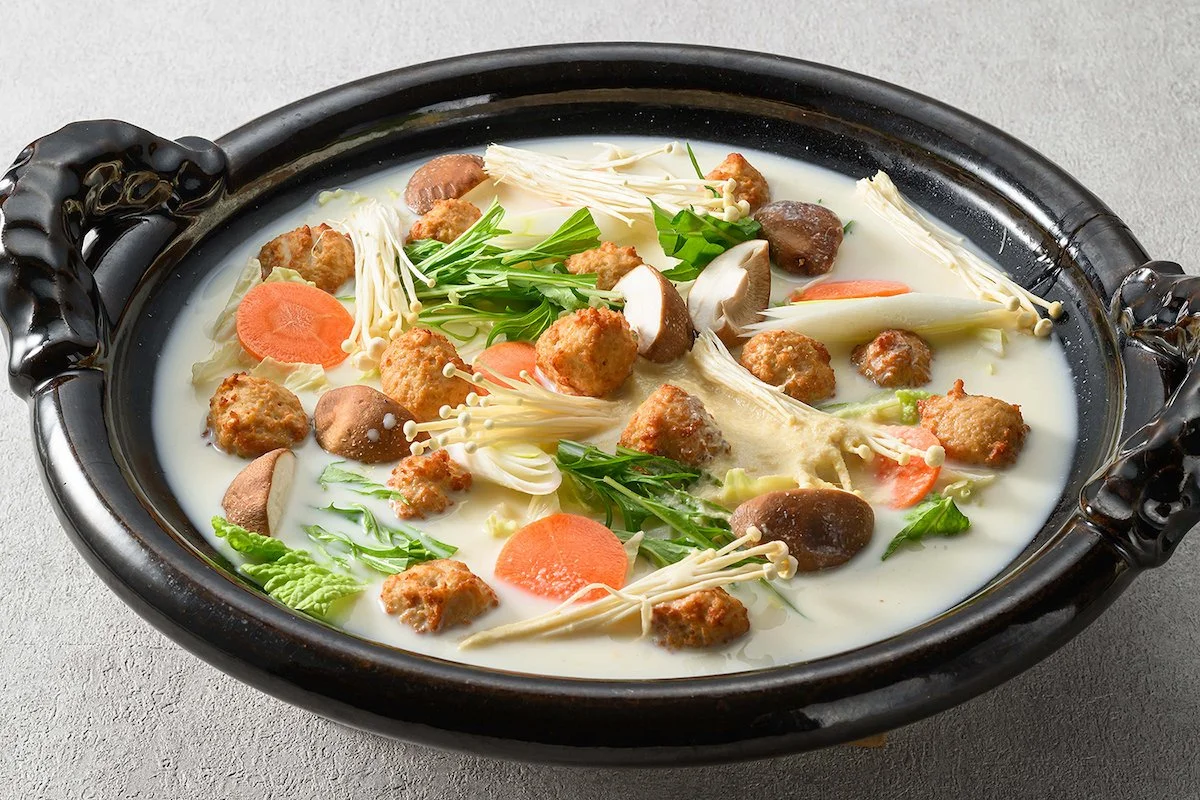
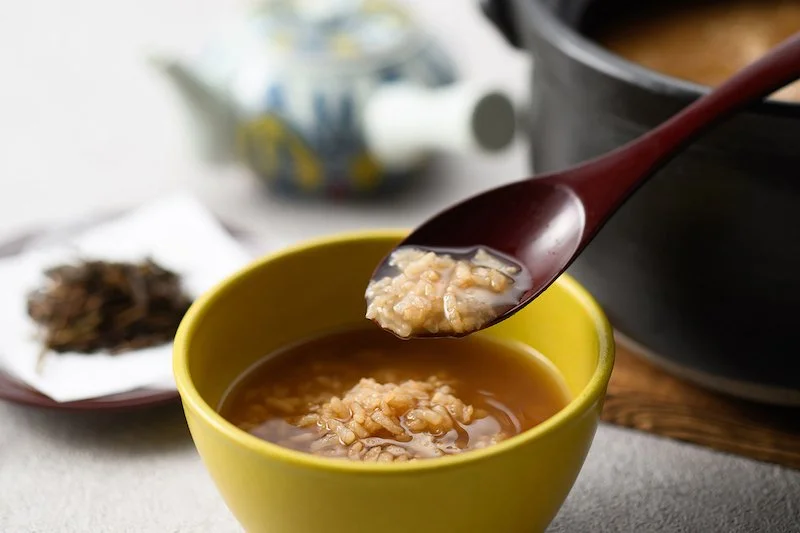
One notable example is the recreation of Asuka Nabe, a traditional local dish associated with the ancient culinary traditions of Nara. According to local history, the dish is believed to have originated more than 1,300 years ago during the Asuka period (592–710 CE), when Buddhist monks and people arriving from the Asian continent prepared a stew simmered in goat’s milk as it was less expensive. During the early Showa period in the twentieth century, the dish was modernised and now uses cow’s milk. Characterized by its unusual white milky broth, the gentle flavours warm from the inside out.
In line with the hotel’s sustainability strategy, food waste reduction is also managed in menu and recipe planning. Ingredients are used across multiple dishes wherever possible to minimize food waste without compromising food quality or guest satisfaction. This initiative demonstrates how cultural heritage preservation, guest experience enhancement, and sustainable resource management can be successfully integrated within hotel operations.
Showcasing Nara - The Birthplace of Sake
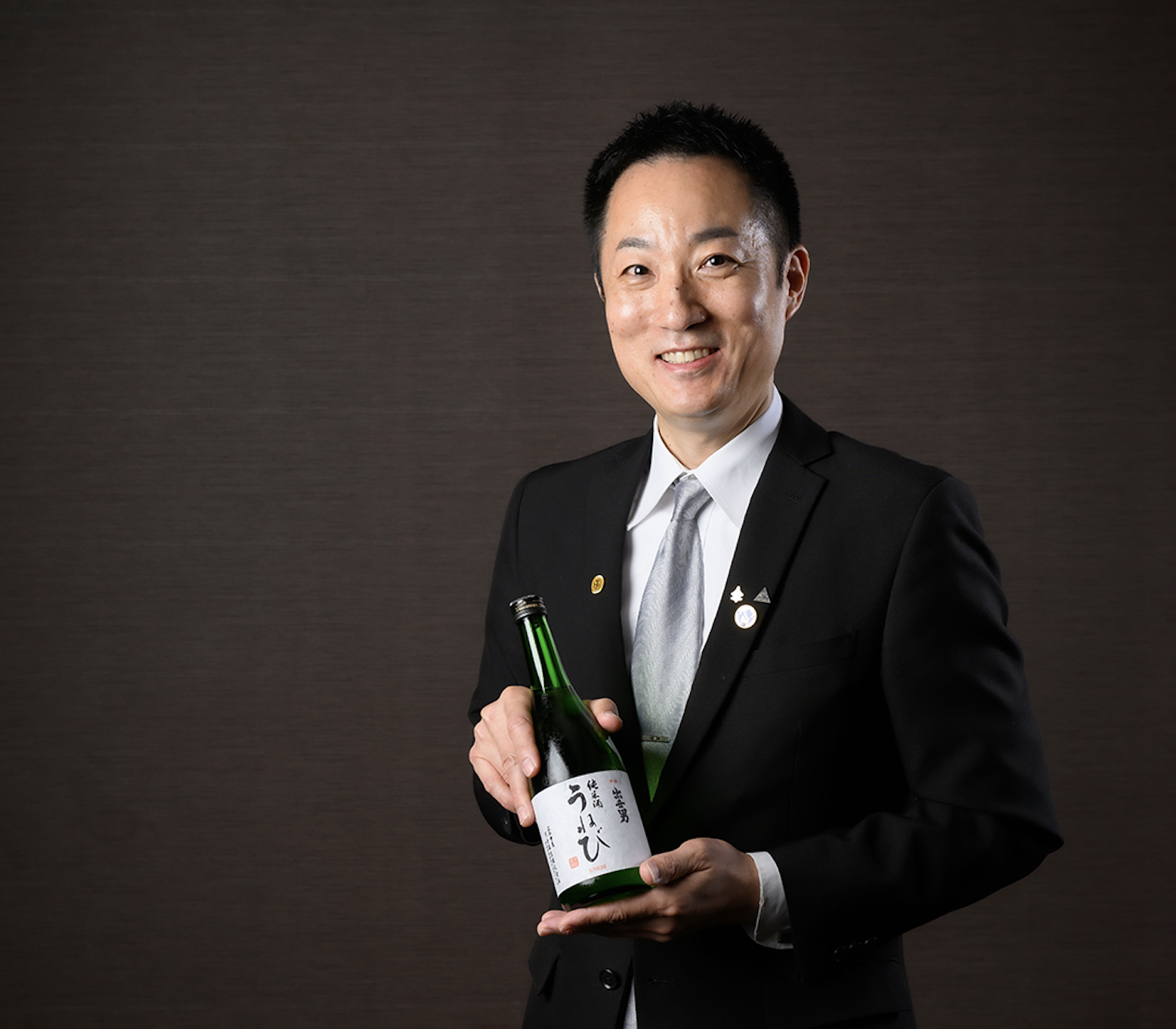
Traditional sake-making was recently added to the UNESCO Intangible Cultural Heritage list. To help preserve and pass down this legacy, the hotel regularly hosts events in the buffet area where guests can taste local sake from Nara - the historic birthplace of Japanese sake. Through these events, local traditions are upheld while sharing the profound charm of traditional sake.
Contact
Shun Fujimaki
Senior Manager
Grand Mercure Nara Kashihara
634-0063, Nara
Kashihara
Kume-cho, 652-2
Japan
E.shun.fujimaki@accor.com
T.+81(0)744-28-6636