
Growing Sustainability from the Ground Up: Green Globe Members Cultivate Fresh Food, Biodiversity, and Community
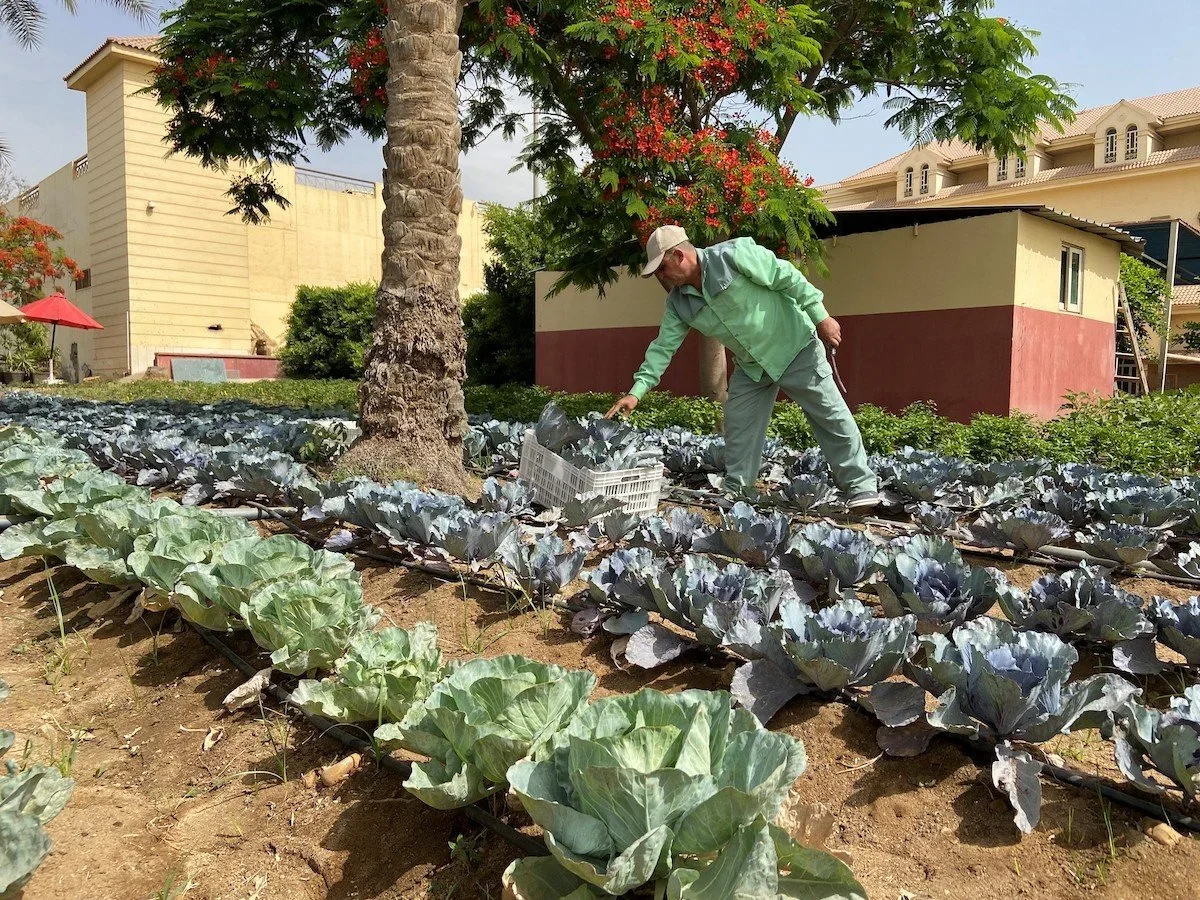
Mövenpick Farm at Mövenpick Hotel Cairo-Media City
Across the global Green Globe community, hotels and resorts are reimagining the relationship between hospitality and food production. From rooftop beehives in Europe and hydroponic gardens in the Maldives to productive vegetable gardens in Cambodia, Egypt, and the Caribbean, members are demonstrating that even modest food cultivation projects can deliver significant environmental, operational, and guest benefits.
These initiatives reflect a growing commitment to local sourcing, biodiversity conservation, waste reduction, and authentic guest experiences. While each property takes a different approach, they all share a common objective: bringing food production closer to the table while strengthening the connection between people, place, and nature.

Zannier Hotels Phum Baitang
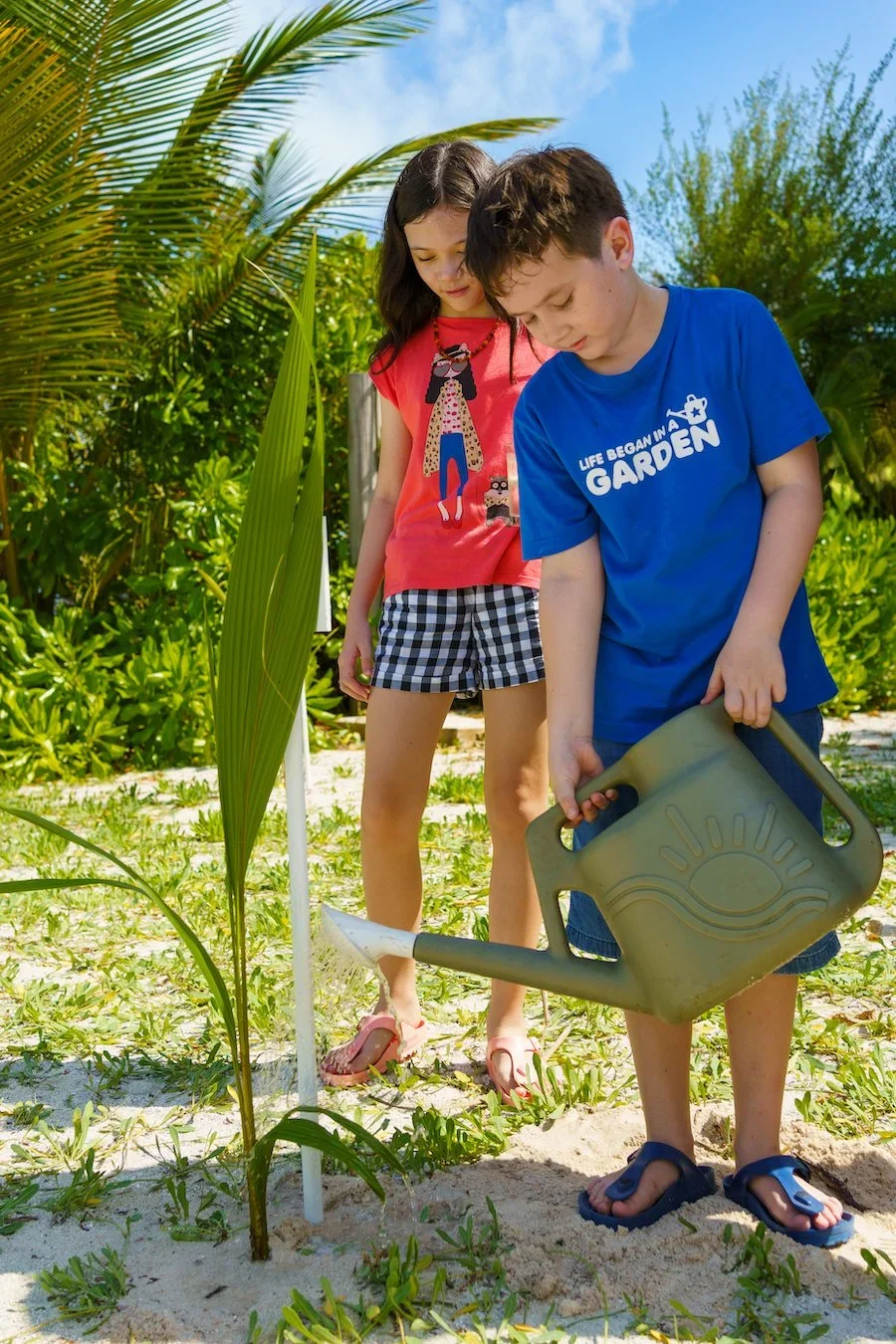
One of the most widespread initiatives among Green Globe members is the development of kitchen gardens and herb gardens that directly support hotel restaurants. At Zannier Hotels Phum Baitang in Cambodia, vegetables and herbs grown on the property are used in restaurant kitchens, incorporated into cooking classes, and even featured in spa treatments. The garden serves as both a productive resource and an educational experience, allowing guests to gain a deeper appreciation of local ingredients and traditional cultivation practices.
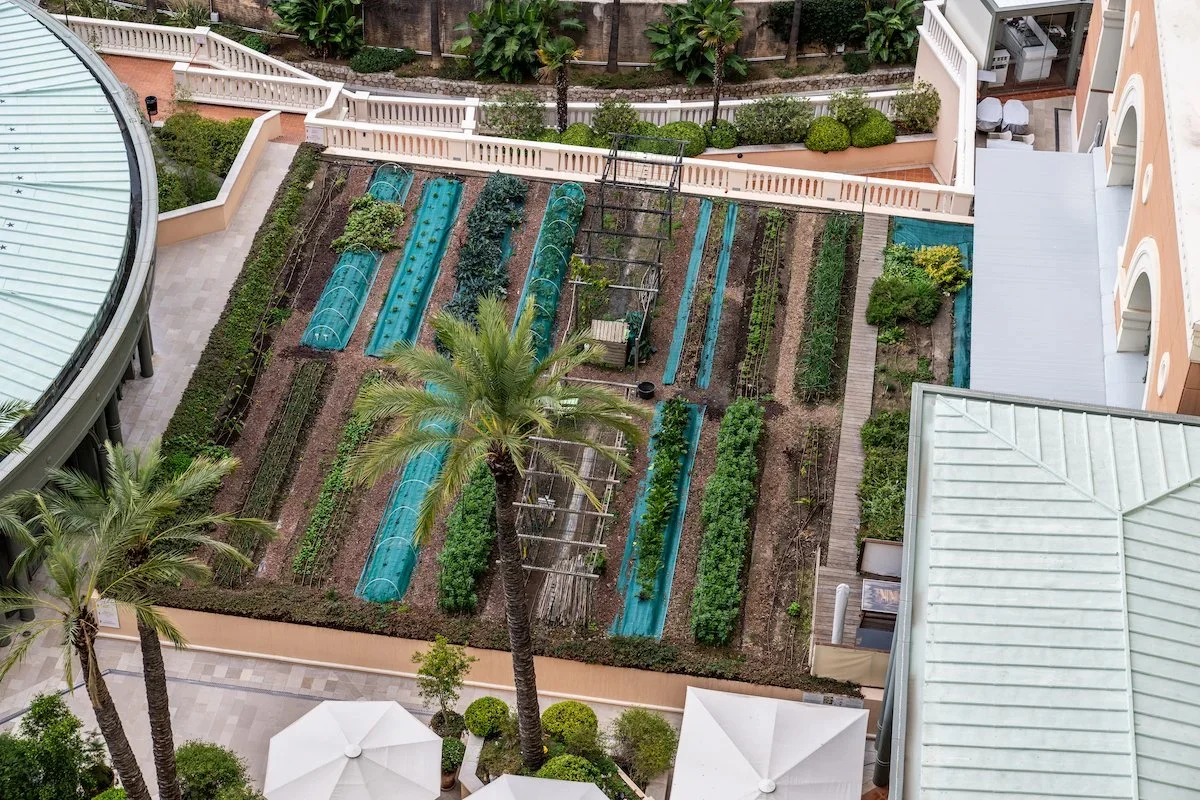
In Monaco, Monte-Carlo Bay Hotel & Resort has integrated food production into its award-winning culinary program. Two vegetable gardens supply the renowned Blue Bay Marcel Ravin restaurant, with the property reporting that up to 85 percent of its fresh ingredients are harvested from these gardens. The initiative demonstrates how luxury hospitality and sustainable food production can work hand in hand, delivering exceptional dining experiences while reducing reliance on externally sourced produce.
Green Globe members are also showing how food cultivation can increase resilience and reduce environmental impacts in destinations where imported food traditionally dominates supply chains. At Bandos Maldives, extensive herb and vegetable gardens support the resort's objective of increasing self-sufficiency and reducing dependence on imported produce. By growing ingredients locally, the resort reduces transportation impacts while providing guests with fresher and more sustainable menu options.
Another Maldivian property, OZEN LIFE MAADHOO, has embraced hydroponic cultivation as a modern solution for sustainable food production. The resort's hydroponic garden supplies fresh produce while maximizing growing efficiency and supporting broader sustainability goals. The system demonstrates how innovative agricultural technologies can help island resorts strengthen food security in environments where land and resources may be limited.
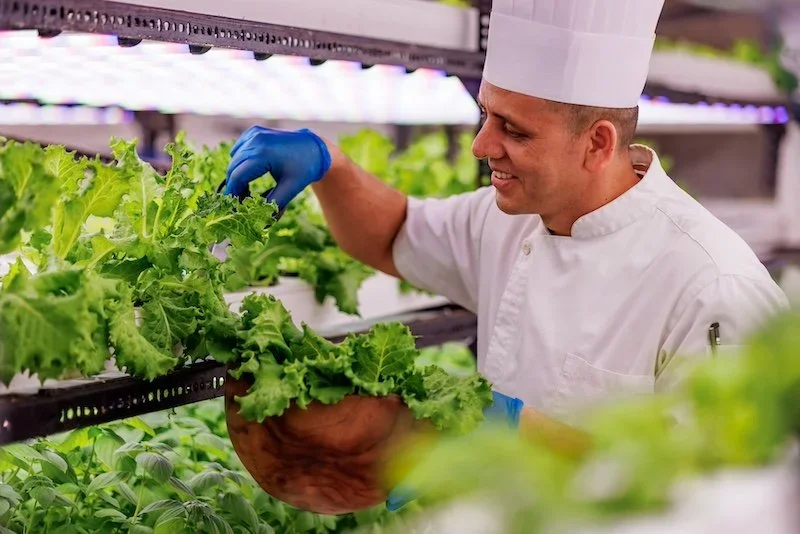
In Egypt, Mövenpick Hotel Cairo-Media City has taken the concept even further through the creation of the Mövenpick Farm. The farm produces vegetables including eggplants, cucumbers, tomatoes, lettuce, and zucchini that are used in the hotel's buffet operations. Beyond supplying fresh ingredients, the initiative helps reduce transportation requirements and associated emissions while providing guests with a visible example of the hotel's sustainability commitment.
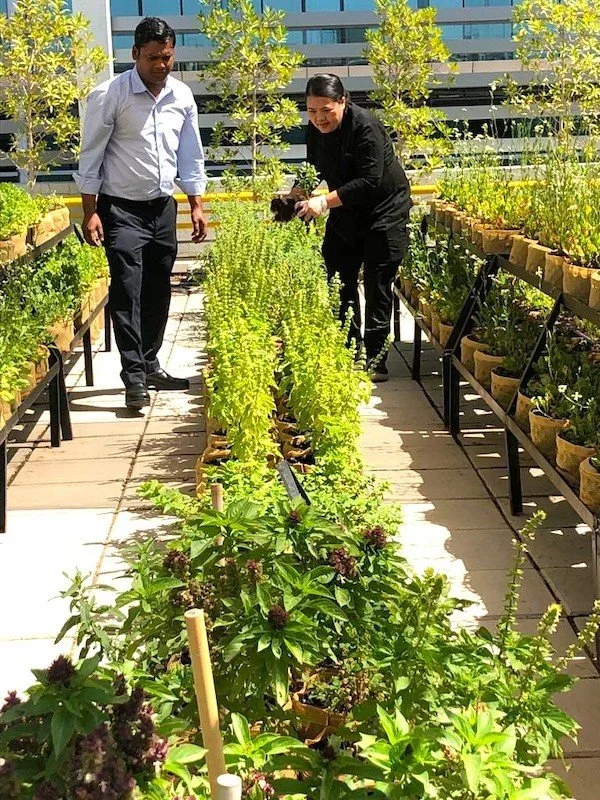
Several Green Globe members have combined food cultivation with innovative waste management practices, creating circular systems that maximize resource efficiency. Four Points by Sheraton Bur Dubai operates a 300-square-metre rooftop garden nourished by compost produced from vegetable waste generated in the hotel's kitchens. What was once a waste stream now supports the production of new plant growth, illustrating how circular economy principles can be successfully applied within hospitality operations.
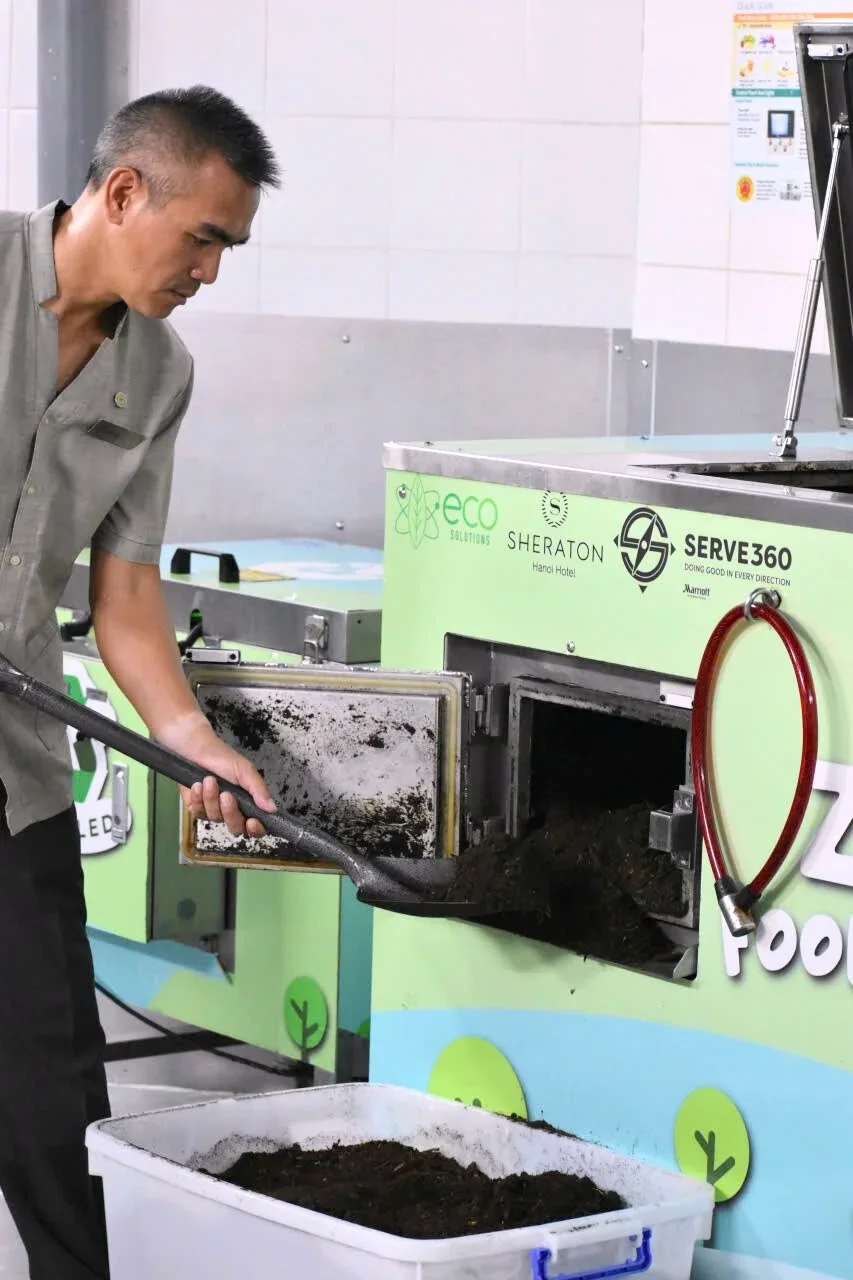
A similar approach can be found at Sheraton Hanoi Hotel, where an onsite composting system converts food waste into organic fertilizer. By transforming discarded organic materials into a resource for gardens and landscaping, the hotel reduces waste while improving soil quality and supporting healthy plant growth.
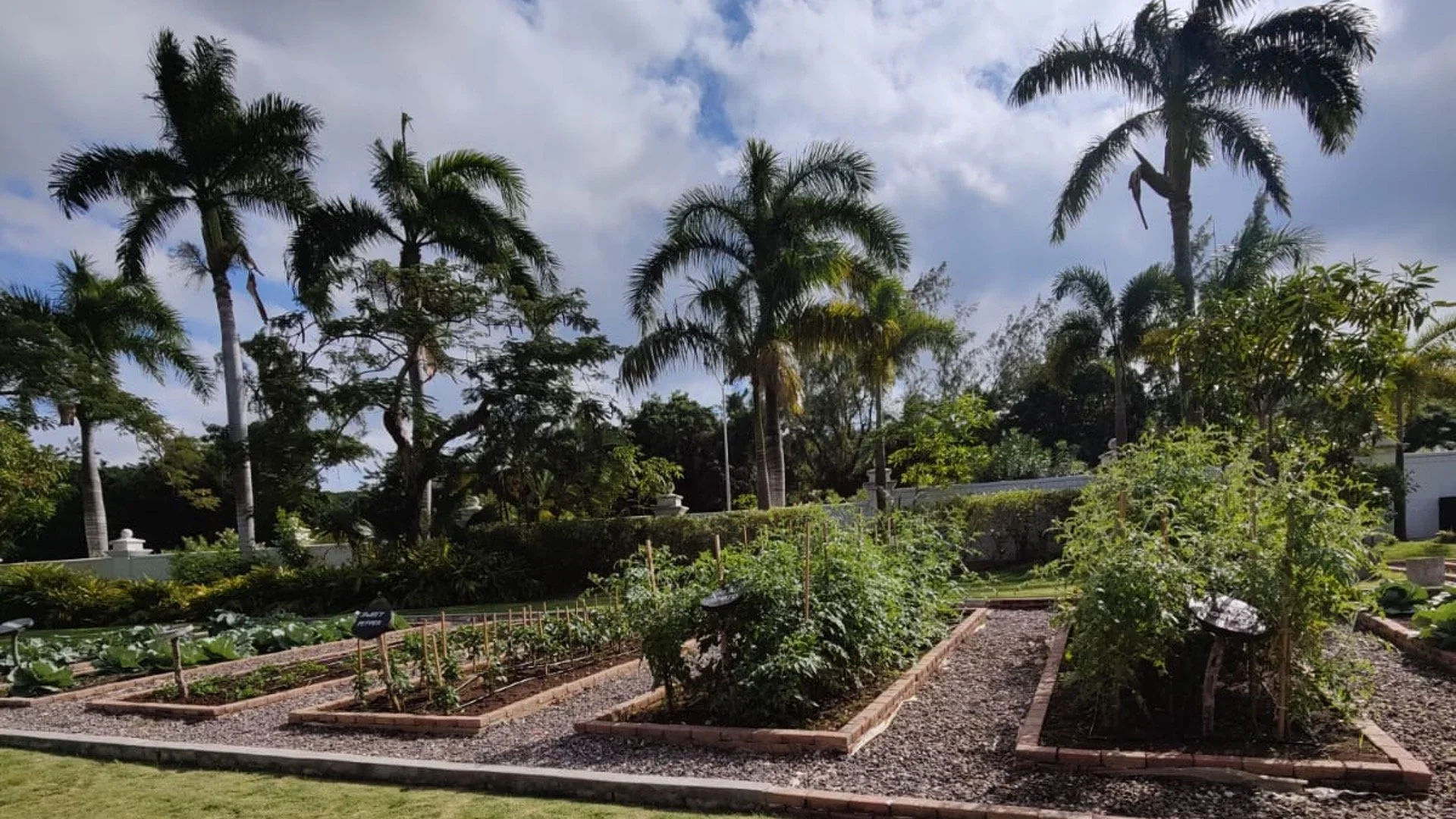
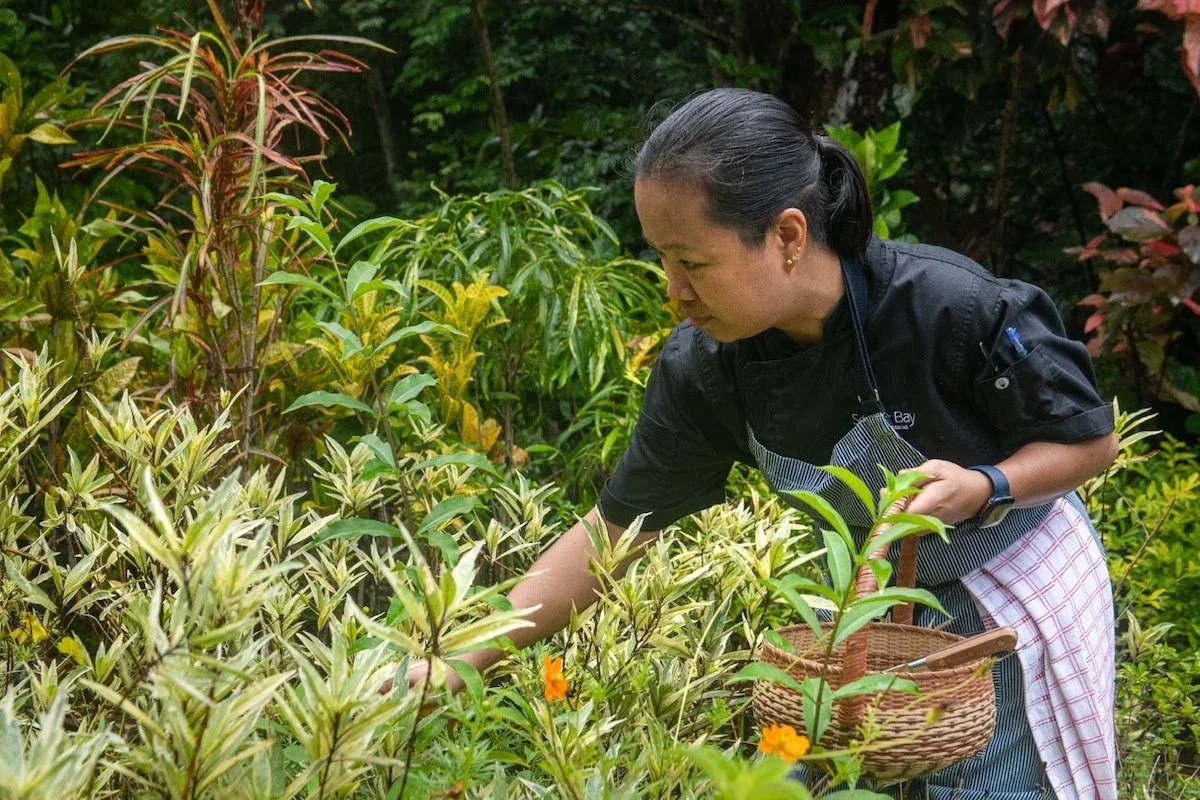
Beyond supporting hotel kitchens, some Green Globe members have transformed food cultivation into a guest experience in its own right. Secret Bay in Dominica has developed the Botanica Boutique Farm, where guests can explore and experience the property's farm-to-table philosophy firsthand. The farm produces herbs, vegetables, cacao, breadfruit, hibiscus, and other crops that become part of unique culinary experiences. By connecting visitors directly with the origins of their food, the resort provides a richer understanding of local agriculture, culture, and sustainability.
The educational value of these initiatives is also evident at Hyatt Ziva and Hyatt Zilara, where herb and organic produce gardens support hotel operations while helping guests learn about sustainable agriculture. These gardens demonstrate that food production can serve not only operational needs but also as an engaging platform for environmental awareness and sustainability education.
Collectively, these projects illustrate that sustainable food production does not require vast agricultural operations. A herb garden, a rooftop growing space, a hydroponic system, or a composting program can all contribute to a property's environmental goals while enhancing guest experiences and supporting local ecosystems.
As Green Globe members continue to innovate, these initiatives provide inspiring examples of how hospitality businesses can create tangible sustainability outcomes. Whether growing vegetables in the Maldives, harvesting herbs in Cambodia, or cultivating farm-fresh ingredients in Egypt and Dominica, Green Globe members are proving that sustainability can be nurtured one garden bed, and one harvest at a time.