

Building Exemplary Destinations: Wildlife Conservation as a Core Tourism Responsibility
By David Andrés Ortegón-Martínez
Sustainability Director – Playa Hotels & Resorts-
Healthy ecosystems and thriving wildlife are the natural capital that sustains destinations and defines the guest experience.
Tourism is powered by nature. Beaches, reefs, mangroves, forests, wetlands—and the wildlife that depends on them—are not simply the scenery behind a vacation; they are the destination’s core asset base. As visitation grows, exemplary destinations are those that protect this natural capital with the same discipline they apply to safety, service quality, and brand standards.
That is why wildlife conservation cannot sit at the margins of corporate social responsibility or seasonal campaigns. It must be treated as destination management: planned, funded, measured, and continuously improved. When habitats are degraded, species decline, or visitors witness disturbance and exploitation, the consequences are immediate loss of product quality, rising operational risk, reputational impact, and reduced resilience to climate pressures.
Through Playa Cares—our sustainability platform—Playa Hotels & Resorts is taking a structured, partnership-driven approach to conservation across the destinations we call home, working with local communities, nonprofits, scientists, and authorities to deliver measurable outcomes.
Why Wildlife Conservation Matters for Tourism
Wildlife conservation is increasingly a competitiveness issue because it safeguards the very conditions that make destinations attractive and viable. Intact ecosystems help maintain water quality, stabilize coastlines, reduce erosion, and support biodiversity that differentiates a place. When biodiversity is lost, tourism offerings become less distinctive; when ecosystems weaken, destinations become more exposed to storms, flooding, and heat stress.
From a destination perspective, effective conservation reduces risk and strengthens long-term value by:
· Protecting the ecosystems that sustain visitor experiences and local livelihoods
· Preventing wildlife disturbance that can trigger reputational and regulatory consequences
· Strengthening community trust through visible stewardship of shared natural heritage
· Supporting climate resilience through the protection and restoration of critical habitats
What Exemplary Destinations Do Differently
Exemplary destinations manage wildlife conservation as a system. In practice, this means embedding non-negotiable safeguards into daily operations and destination partnerships:
1) Protect and restore habitat before trying to “offset” impact
Avoiding harm is the first priority: preventing fragmentation of sensitive habitats, maintaining ecological corridors, and managing visitor pressure in critical ecosystems. Where impacts already exist, restoration becomes essential mangroves, dunes, native vegetation, and reef-support initiatives can materially improve ecological function and resilience.
2) Set clear rules for wildlife interactions
Wildlife tourism becomes harmful when “closeness” is treated as the selling point. Feeding, touching, chasing, crowding, or disturbing nesting and breeding areas creates stress, behavioral change, and safety risk. Exemplary destinations standardize codes of conduct, signage, and operator requirements so expectations are consistent and enforceable across all visitor touchpoints.
3) Control light, noise, and pollution—often the invisible drivers of biodiversity loss
Artificial light disrupts nocturnal wildlife behavior and reproduction, particularly in coastal environments. Noise affects habitat use and movement patterns. Pollution—solid waste, wastewater, and runoff—damages food chains and habitat quality. Strong destinations implement practical controls, monitor performance, and treat non-compliance as an operational issue, not a communication issue.
4) Prevent exploitation and strengthen compliance
A destination cannot claim conservation leadership while unethical wildlife interactions remain part of the tourism offer. Exemplary destinations screen experiences and vendors, remove harmful practices, and replace them with education-based, conservation-aligned alternatives.
5) Monitor outcomes and act on data
Credibility requires evidence. Destinations define indicator species and key habitats, establish baselines, track trends, and link findings to corrective action. Monitoring also strengthens partnerships with conservation authorities, universities, and NGOs—ensuring decisions reflect science and local knowledge.
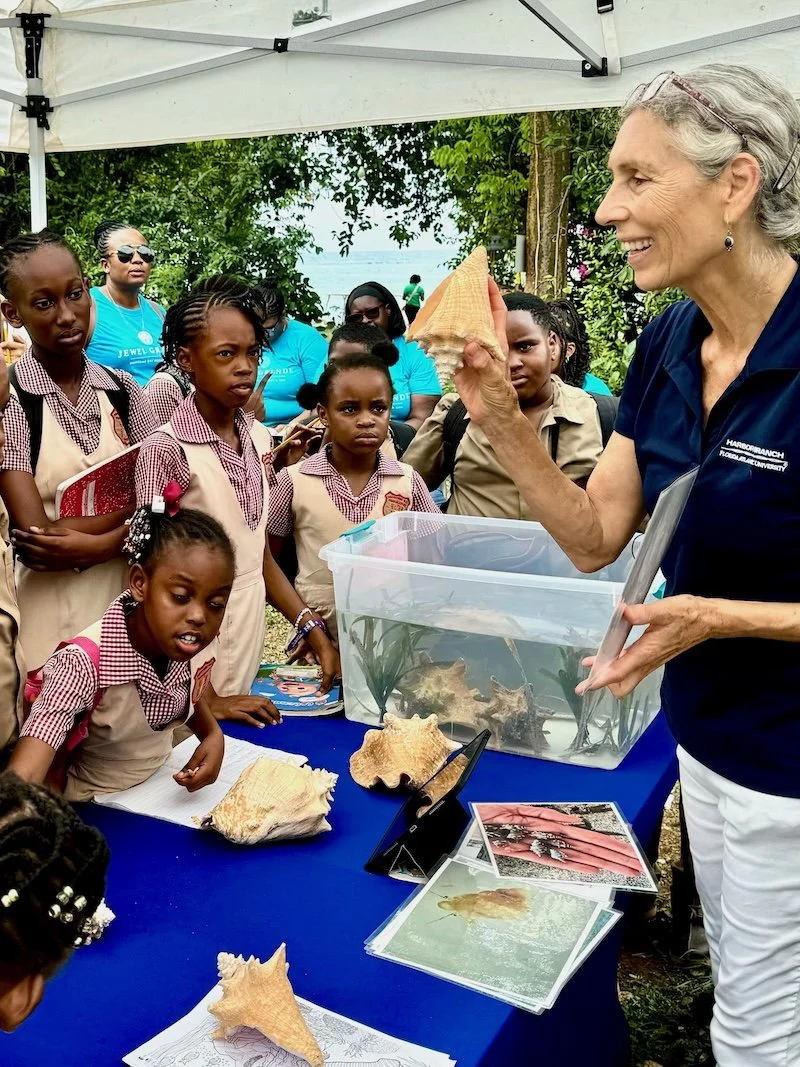
Conservation in Practice Across Playa Cares DestinationsAcross our portfolio, the strongest conservation efforts share one principle: long-term partnerships that build local capability. In 2024 and 2025, Playa Cares launched multiple regional projects across destinations, designed to address priority environmental and social challenges in collaboration with local stakeholders.
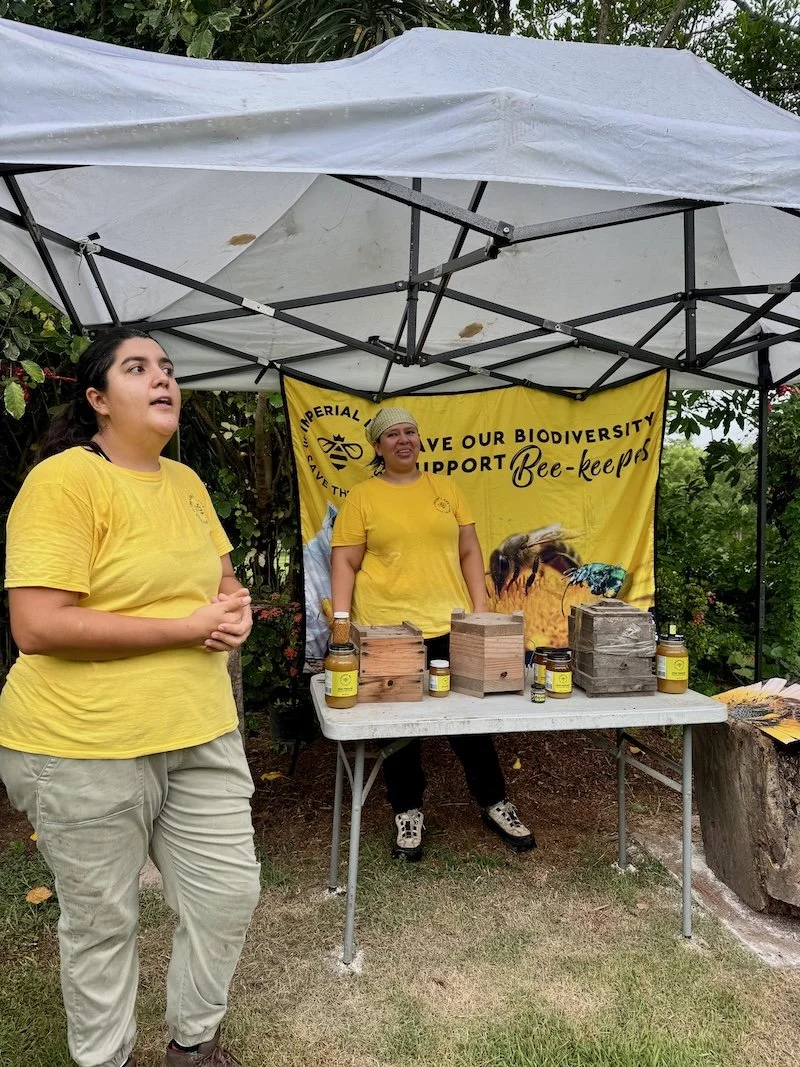
Community Biodiversity Conservation: Protecting Pollinators and Habitat – Puerto Vallarta, Mexico.
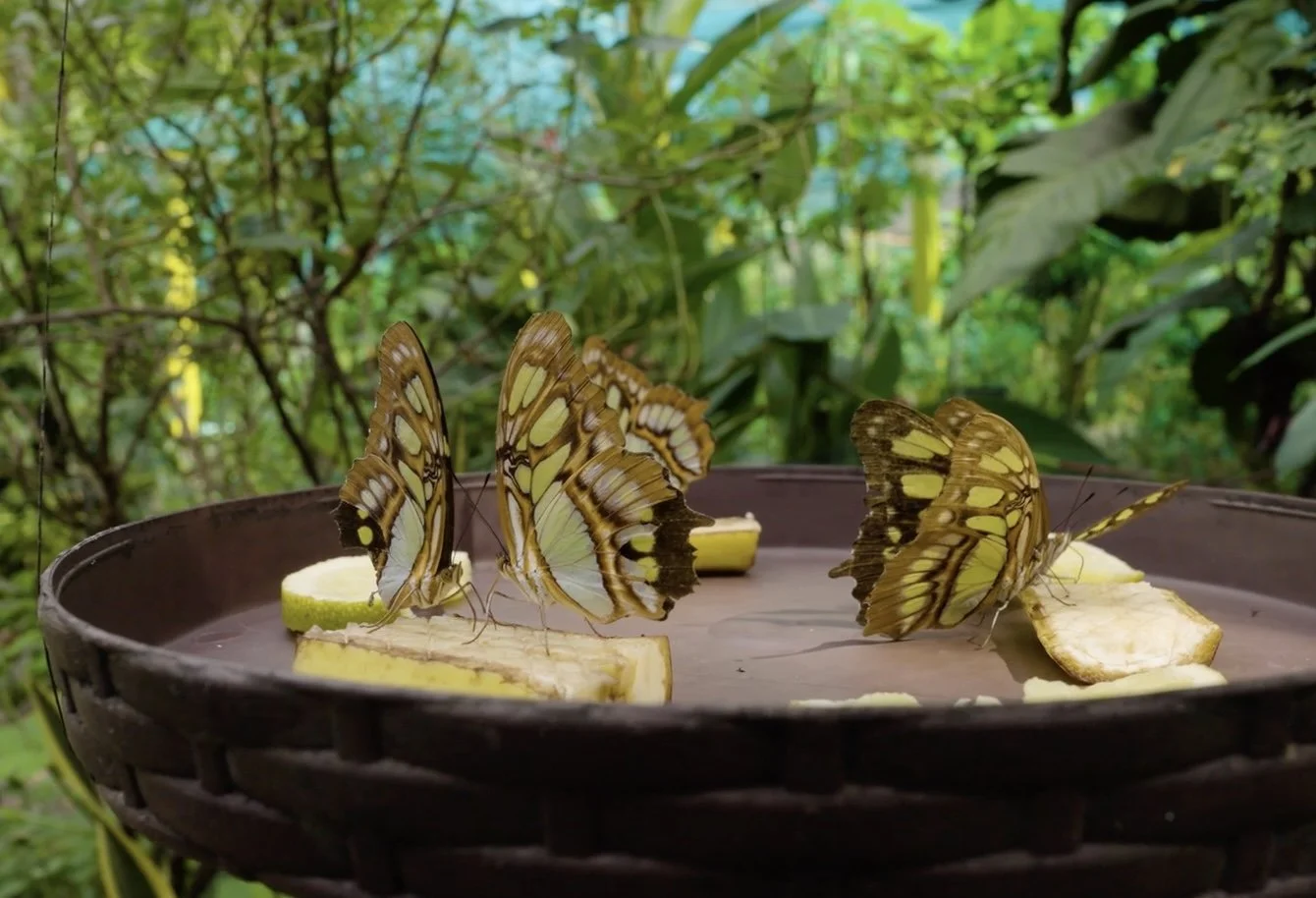
Pollinators are essential to biodiversity and healthy ecosystems, yet habitat loss continues to pressure many species. In Puerto Vallarta, Playa Hotels & Resorts partnered with Jardín Mágico Santuario de Mariposas A.C., a conservation and education organization recognized as the largest butterfly sanctuary in Mexico and home to more than 30 local butterfly species.
This initiative combines education, institutional support, and engagement opportunities for guests, associates, and local communities. Playa teams supported operational improvements through facility assessments and a monthly improvement plan, and the program has included community access and environmental education through sponsored visits for students and local groups.
Why this matters: protecting pollinators is not a niche issue—it supports broader ecosystem integrity and demonstrates how tourism can amplify conservation outcomes through structured support, not one-off donations.
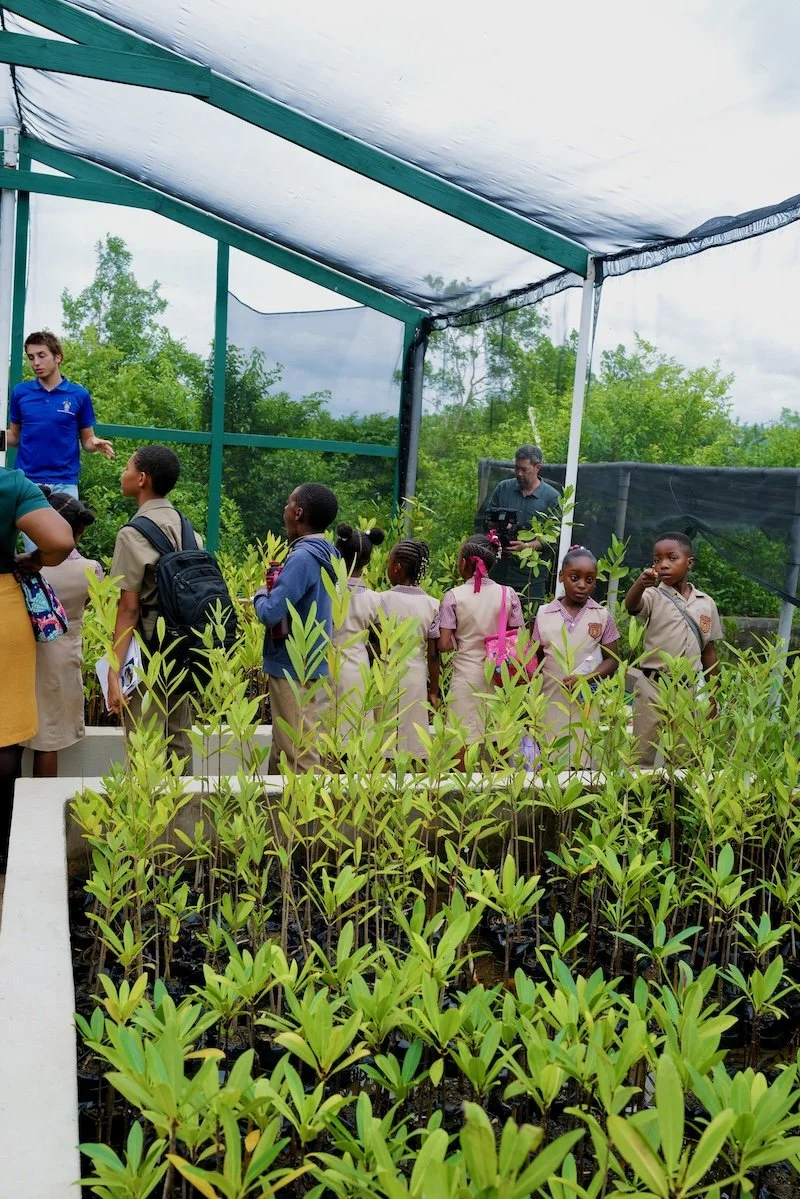
Mangrove Education and Restoration: Building the Next Generation of Stewards – Jamaica.
Mangroves are among the most valuable coastal ecosystems: they support biodiversity, protect shorelines, and strengthen climate resilience. In Jamaica, Playa Hotels & Resorts supported the Jamaican Awareness of Mangroves in Nature (JAMIN) program—an experiential science initiative led by the Khaled bin Sultan Living Oceans Foundation and the University of the West Indies’ Discovery Bay Marine Lab.
The program teaches students mangrove ecology and restoration, linking education directly to field-based conservation action. Reporting from the initiative highlights long-term impact over time, including student participation and mangrove planting outcomes across the program’s history.
Why this matters: destinations cannot conserve ecosystems without local capability. Programs like JAMIN build ocean literacy, strengthen community ownership of natural heritage, and translate conservation into measurable restoration.
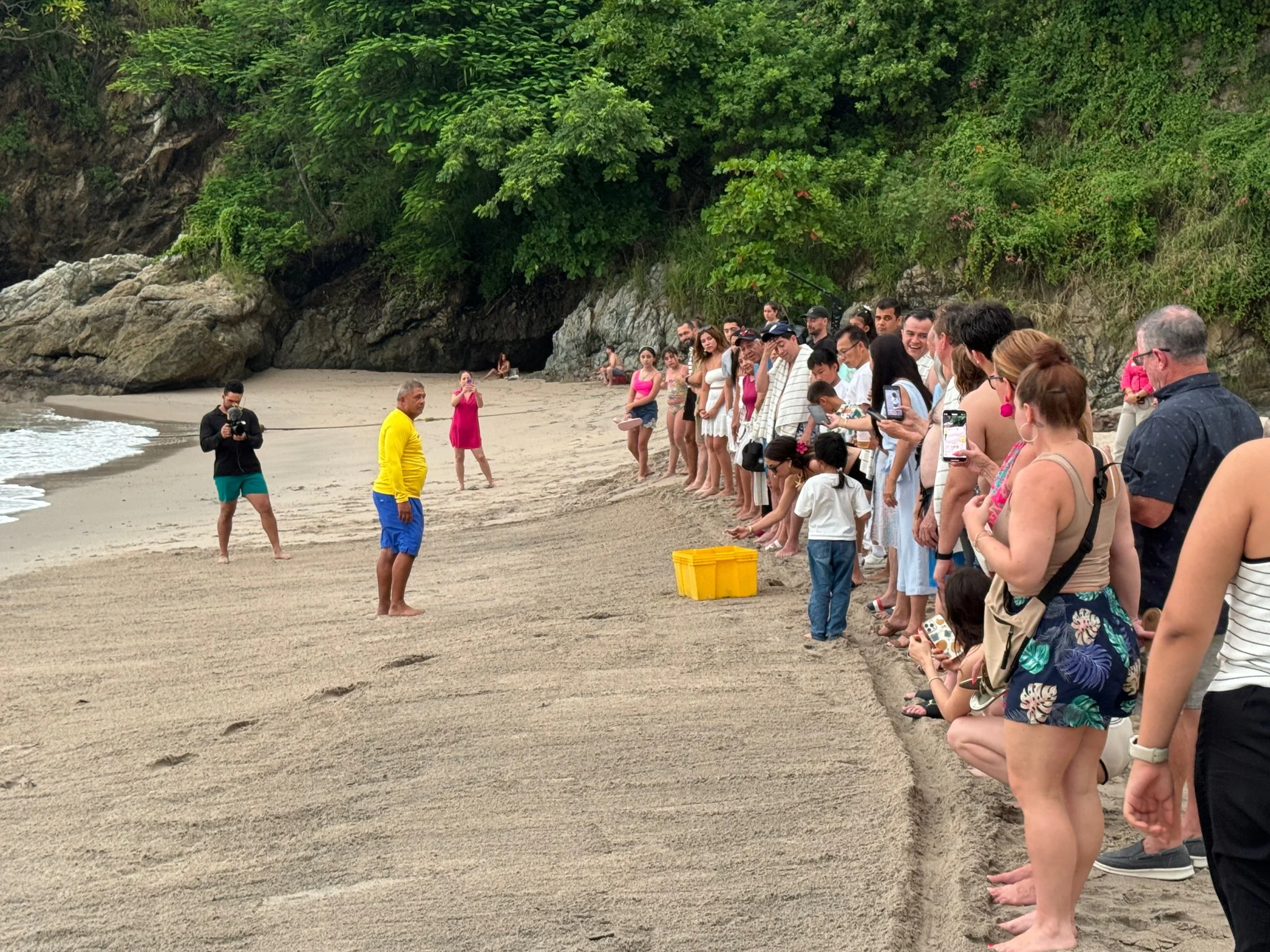
Marine Species Protection: Sea Turtle Conservation Through Protocols and Education – Mexico.
Where nesting beaches exist, tourism has a direct responsibility to operate with discipline. Lighting, visitor behavior, coastal pressures, and unmanaged access can undermine nesting success and hatchling survival. At Hyatt Ziva Puerto Vallarta, the Turtle Fest conservation program aligns with state and national procedures and includes protection of turtles and eggs, awareness-building for guests and staff, and support to regional conservation organizations.
Why this matters: when programs align with competent authorities, standard protocols, and consistent communication, conservation becomes part of operational excellence—repeatable, auditable, and scalable.
The Role of Tourism Companies: From Participation to Capability Creation
Tourism businesses—hotels, tour operators, attractions, and destination organizations—shape land use, visitor flows, procurement, infrastructure pressure, and public narratives. With that influence comes responsibility to elevate wildlife conservation from isolated projects to a destination capability that endures beyond leadership changes, seasonal peaks, or short-term budgets.
A credible conservation approach across destinations typically includes:
Formal partnerships with competent conservation organizations and authorities
Standard operating procedures for sensitive zones, wildlife sightings, and incident response
Training for frontline teams and suppliers to ensure consistent behavior across touchpoints
Visitor communication that is simple, visible, and aligned with local rules
A small, high-quality set of indicators that demonstrate progress and trigger corrective action
This is where sustainability becomes real: not as statements of intent, but as systems that produce measurable outcomes.
Wildlife conservation is not separate from destination success. It is a prerequisite for it. The destinations that remain competitive in the next decade will be those that treat biodiversity as strategic value: protecting habitats, managing visitor impact, enforcing standards, and building long-term partnerships that deliver results.
Through Playa Cares, Playa Hotels & Resorts is committed to strengthening the preservation and regeneration of the ecosystems that define our destinations—by investing in science-aligned programs, community capability-building, and operational discipline that turns conservation into a sustained, credible practice.
Contact
David Andrés Ortegón-Martínez
Sustainability Director
Playa Hotels & Resorts
T: (52) 998.881.579
1M: (52) 551.759.74.86
E: david.ortegon@hyatt.com